Buy mtba.eu ?
We are moving the project
mtba.eu .
Are you interested in purchasing the domain
mtba.eu ?
domain@kv-gmbh.de · 0541-91531010
Buy mtba.eu ?
What is the difference between glucose and glycogen and how is glycogen formed and broken down?
Glucose is a simple sugar that serves as the primary source of energy for the body's cells. It is stored in the form of glycogen in the liver and muscles. Glycogen is a complex carbohydrate that is made up of many glucose molecules linked together in a branching structure. When blood glucose levels are high, excess glucose is converted into glycogen through a process called glycogenesis, which occurs primarily in the liver and muscles. When blood glucose levels are low, glycogen is broken down into glucose through a process called glycogenolysis, which releases glucose into the bloodstream to maintain normal blood sugar levels. **
How quickly do glycogen stores fill up?
Glycogen stores can fill up relatively quickly, especially after consuming a meal high in carbohydrates. The rate at which glycogen stores are replenished depends on factors such as the type and amount of carbohydrates consumed, as well as individual factors like metabolism and activity level. Generally, it can take several hours for glycogen stores to be fully replenished after they have been depleted, but this can vary from person to person. **
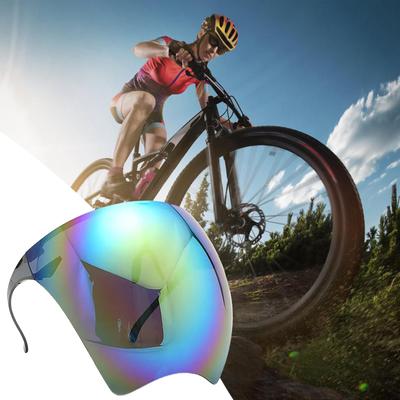

Similar search terms for Glycogen
Top-Angebote
Products related to Glycogen:
-
Uplifted Goods Reusable 33 Oz Cycling Water Bottle For Outdoor Sports And Biking blackStay refreshed on every ride with this reusable 33 oz cycling water bottle designed for outdoor sports and everyday cycling. Made from BPAfree material, this squeeze bottle provides easy and quick access to hydration while youre on the go. Its...34,97 $*Shipping: 0,00 $Secure redirect to the provider
-
Quick Pick Pro WEST BIKING Winter Fleece Cycling Scarf Windproof Bike Face Mask Neck Warmer Balaclava WEST BIKING Winter Fleece Cycling Scarf Windproof Bike Face Mask Neck Warmer BalaclavaCold weather shouldnt slow your ride or outdoor routine. This allinone winter cycling face mask is designed to protect you from biting wind, dust, and freezing temperatures while keeping you comfortable on the move. Built for riders, runners, and...32,97 $*Shipping: 0,00 $Secure redirect to the provider
-
Domani Trails Tropical Blues Indoor / Outdoor RugBrighten up your outdoor space with our Domani Trails collection. This collection is hand-hooked in China of UV-treated polypropelene. These rugs are woven with rich colors and trendy designs.236,99 $*Shipping: 0,00 $Secure redirect to the provider
-
Inspired Finds CamoShield Full Face Balaclava Camouflage Mask For Cycling, Riding & Outdoor Sports mountain ForestStep into your next ride or outdoor adventure with confidence, style and fullface coverage. The CamoShield FullFace Balaclava is crafted for cyclists, motorcyclists, hikers, hunters and outdoor sports enthusiasts who want protection from wind, dust,...34,99 $*Shipping: 0,00 $Secure redirect to the provider




-
What is the relationship between glycogen storage and dehydration?
Dehydration can lead to a decrease in glycogen storage in the body. When the body is dehydrated, it can affect the body's ability to properly store glycogen in the muscles and liver. This can impact energy levels and athletic performance, as glycogen is a key source of energy during physical activity. It is important to stay hydrated to support optimal glycogen storage and overall performance. **
-
What is the difference between glucagon, glycogen, and glucose?
Glucagon is a hormone produced by the pancreas that raises blood sugar levels by stimulating the liver to convert stored glycogen into glucose. Glycogen is a form of stored glucose found in the liver and muscles, serving as a reserve energy source. Glucose is a simple sugar that serves as the primary source of energy for cells in the body and is obtained from the food we eat. **
-
What is the connection between glycogen storage and dehydration?
Glycogen is a form of stored glucose in the liver and muscles, which can be broken down to provide energy when needed. When the body becomes dehydrated, glycogen stores can be depleted more quickly as the body tries to maintain blood sugar levels. This can lead to a decrease in overall energy levels and can also contribute to muscle fatigue and weakness. Additionally, glycogen storage requires water, so dehydration can impair the body's ability to store and utilize glycogen effectively. Therefore, proper hydration is important for maintaining glycogen stores and overall energy levels. **
-
Why do plants store energy as starch and not as glycogen?
Plants store energy as starch because they do not have the enzyme glycogen synthase needed to make glycogen. Starch is the equivalent storage molecule in plants, serving as a long-term energy reserve in the form of glucose polymers. Additionally, starch is more suitable for storage in plant cells due to its insolubility in water, which helps prevent osmotic issues within the cell. Overall, the structure and function of starch make it the ideal energy storage molecule for plants. **

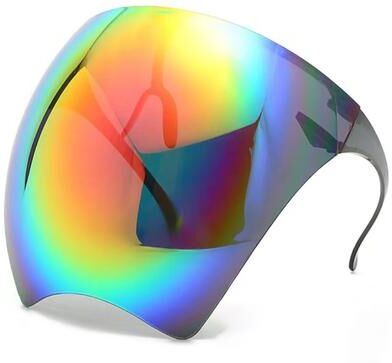
What is the difference in calorie expenditure between road cycling and mountain biking?
The calorie expenditure for road cycling and mountain biking can vary based on factors such as intensity, terrain, and duration. Generally, road cycling on flat terrain at a moderate pace can burn around 400-600 calories per hour, while mountain biking on varied terrain with hills and obstacles can burn around 500-800 calories per hour. The higher calorie expenditure in mountain biking is due to the increased effort required to navigate the challenging terrain and obstacles. Overall, mountain biking tends to result in a higher calorie expenditure compared to road cycling. **
Why does the glycogen store remain available longer than the protein store?
The glycogen store remains available longer than the protein store because glycogen is the primary storage form of glucose in the body, and glucose is the body's preferred source of energy. When the body needs energy, it can quickly break down glycogen into glucose to fuel the cells. On the other hand, protein is primarily used for building and repairing tissues, and is not the body's preferred source of energy. Therefore, the body will only break down protein for energy when other sources, such as glycogen and fat, are depleted. This makes the glycogen store more readily available for energy production compared to the protein store. **
Top-Angebote
Products related to Glycogen:
-
DynamicDeals Windproof Cycling Goggles Mask For Full Face Motorcycle & Mountain Biking greenRide with confidence and protect your eyes in any condition with our windproof cycling goggles. Designed for outdoor enthusiasts, these fullface goggles shield you from wind, dust, and debris while delivering clear, uninterrupted vision. Perfect for...34,97 $*Shipping: 0,00 $Secure redirect to the provider
-
Perfect Picks Market StormShield Cycling Face Mask With Anti Fog Goggles For Motorcycle Riding & Mountain Biking greenTake on every ride with confidence, no matter the weather. This windproof motorcycle mask is designed for cyclists, bikers, and outdoor adventurers who want fullface protection without sacrificing comfort or visibility. Featuring integrated antifog...31,97 $*Shipping: 0,00 $Secure redirect to the provider
-
Uplifted Goods Reusable 33 Oz Cycling Water Bottle For Outdoor Sports And Biking blackStay refreshed on every ride with this reusable 33 oz cycling water bottle designed for outdoor sports and everyday cycling. Made from BPAfree material, this squeeze bottle provides easy and quick access to hydration while youre on the go. Its...34,97 $*Shipping: 0,00 $Secure redirect to the provider
-
Quick Pick Pro WEST BIKING Winter Fleece Cycling Scarf Windproof Bike Face Mask Neck Warmer Balaclava WEST BIKING Winter Fleece Cycling Scarf Windproof Bike Face Mask Neck Warmer BalaclavaCold weather shouldnt slow your ride or outdoor routine. This allinone winter cycling face mask is designed to protect you from biting wind, dust, and freezing temperatures while keeping you comfortable on the move. Built for riders, runners, and...32,97 $*Shipping: 0,00 $Secure redirect to the provider
-
What is the difference between glucose and glycogen and how is glycogen formed and broken down?
Glucose is a simple sugar that serves as the primary source of energy for the body's cells. It is stored in the form of glycogen in the liver and muscles. Glycogen is a complex carbohydrate that is made up of many glucose molecules linked together in a branching structure. When blood glucose levels are high, excess glucose is converted into glycogen through a process called glycogenesis, which occurs primarily in the liver and muscles. When blood glucose levels are low, glycogen is broken down into glucose through a process called glycogenolysis, which releases glucose into the bloodstream to maintain normal blood sugar levels. **
-
How quickly do glycogen stores fill up?
Glycogen stores can fill up relatively quickly, especially after consuming a meal high in carbohydrates. The rate at which glycogen stores are replenished depends on factors such as the type and amount of carbohydrates consumed, as well as individual factors like metabolism and activity level. Generally, it can take several hours for glycogen stores to be fully replenished after they have been depleted, but this can vary from person to person. **
-
What is the relationship between glycogen storage and dehydration?
Dehydration can lead to a decrease in glycogen storage in the body. When the body is dehydrated, it can affect the body's ability to properly store glycogen in the muscles and liver. This can impact energy levels and athletic performance, as glycogen is a key source of energy during physical activity. It is important to stay hydrated to support optimal glycogen storage and overall performance. **
-
What is the difference between glucagon, glycogen, and glucose?
Glucagon is a hormone produced by the pancreas that raises blood sugar levels by stimulating the liver to convert stored glycogen into glucose. Glycogen is a form of stored glucose found in the liver and muscles, serving as a reserve energy source. Glucose is a simple sugar that serves as the primary source of energy for cells in the body and is obtained from the food we eat. **
Similar search terms for Glycogen
-
Domani Trails Tropical Blues Indoor / Outdoor RugBrighten up your outdoor space with our Domani Trails collection. This collection is hand-hooked in China of UV-treated polypropelene. These rugs are woven with rich colors and trendy designs.236,99 $*Shipping: 0,00 $Secure redirect to the provider
-
Inspired Finds CamoShield Full Face Balaclava Camouflage Mask For Cycling, Riding & Outdoor Sports mountain ForestStep into your next ride or outdoor adventure with confidence, style and fullface coverage. The CamoShield FullFace Balaclava is crafted for cyclists, motorcyclists, hikers, hunters and outdoor sports enthusiasts who want protection from wind, dust,...34,99 $*Shipping: 0,00 $Secure redirect to the provider
-
DynamicDeals Windproof Cycling Goggles Mask For Full Face Motorcycle & Mountain Biking redRide with confidence and protect your eyes in any condition with our windproof cycling goggles. Designed for outdoor enthusiasts, these fullface goggles shield you from wind, dust, and debris while delivering clear, uninterrupted vision. Perfect for...34,97 $*Shipping: 0,00 $Secure redirect to the provider
-
Perfect Picks Market StormShield Cycling Face Mask With Anti Fog Goggles For Motorcycle Riding & Mountain Biking redTake on every ride with confidence, no matter the weather. This windproof motorcycle mask is designed for cyclists, bikers, and outdoor adventurers who want fullface protection without sacrificing comfort or visibility. Featuring integrated antifog...31,97 $*Shipping: 0,00 $Secure redirect to the provider
-
What is the connection between glycogen storage and dehydration?
Glycogen is a form of stored glucose in the liver and muscles, which can be broken down to provide energy when needed. When the body becomes dehydrated, glycogen stores can be depleted more quickly as the body tries to maintain blood sugar levels. This can lead to a decrease in overall energy levels and can also contribute to muscle fatigue and weakness. Additionally, glycogen storage requires water, so dehydration can impair the body's ability to store and utilize glycogen effectively. Therefore, proper hydration is important for maintaining glycogen stores and overall energy levels. **
-
Why do plants store energy as starch and not as glycogen?
Plants store energy as starch because they do not have the enzyme glycogen synthase needed to make glycogen. Starch is the equivalent storage molecule in plants, serving as a long-term energy reserve in the form of glucose polymers. Additionally, starch is more suitable for storage in plant cells due to its insolubility in water, which helps prevent osmotic issues within the cell. Overall, the structure and function of starch make it the ideal energy storage molecule for plants. **
-
What is the difference in calorie expenditure between road cycling and mountain biking?
The calorie expenditure for road cycling and mountain biking can vary based on factors such as intensity, terrain, and duration. Generally, road cycling on flat terrain at a moderate pace can burn around 400-600 calories per hour, while mountain biking on varied terrain with hills and obstacles can burn around 500-800 calories per hour. The higher calorie expenditure in mountain biking is due to the increased effort required to navigate the challenging terrain and obstacles. Overall, mountain biking tends to result in a higher calorie expenditure compared to road cycling. **
-
Why does the glycogen store remain available longer than the protein store?
The glycogen store remains available longer than the protein store because glycogen is the primary storage form of glucose in the body, and glucose is the body's preferred source of energy. When the body needs energy, it can quickly break down glycogen into glucose to fuel the cells. On the other hand, protein is primarily used for building and repairing tissues, and is not the body's preferred source of energy. Therefore, the body will only break down protein for energy when other sources, such as glycogen and fat, are depleted. This makes the glycogen store more readily available for energy production compared to the protein store. **
* All prices are inclusive of VAT and, if applicable, plus shipping costs. The offer information is based on the details provided by the respective shop and is updated through automated processes. Real-time updates do not occur, so deviations can occur in individual cases. ** Note: Parts of this content were created by AI.