Buy mtba.eu ?
We are moving the project
mtba.eu .
Are you interested in purchasing the domain
mtba.eu ?
domain@kv-gmbh.de · 0541-91531010
Buy mtba.eu ?
Can you explain virtue ethics, duty ethics, and goods ethics?
Virtue ethics focuses on the character of the individual and emphasizes the development of virtuous traits such as honesty, courage, and compassion. It is concerned with cultivating moral excellence and living a good life. Duty ethics, also known as deontological ethics, is based on the idea that certain actions are inherently right or wrong, regardless of their consequences. It emphasizes the importance of following moral rules and fulfilling one's duties and obligations. Goods ethics, or consequentialism, evaluates the morality of an action based on its outcomes or consequences. It focuses on maximizing the overall good or happiness and considers the potential impact of an action on others. **
Is Buddhist ethics comparable to Christian ethics?
Buddhist ethics and Christian ethics share some similarities, such as the emphasis on compassion, love, and non-violence. Both traditions also promote the idea of treating others with kindness and respect. However, there are also significant differences between the two, such as the concept of sin and salvation in Christianity, which is not present in Buddhism. Additionally, the role of divine authority and the concept of God differs between the two traditions. Overall, while there are some common ethical principles, the underlying beliefs and foundations of Buddhist and Christian ethics are distinct. **
Similar search terms for Ethics
Top-Angebote
Products related to Ethics:
-
Uplifted Goods Reusable 33 Oz Cycling Water Bottle For Outdoor Sports And Biking pinkStay refreshed on every ride with this reusable 33 oz cycling water bottle designed for outdoor sports and everyday cycling. Made from BPAfree material, this squeeze bottle provides easy and quick access to hydration while youre on the go. Its...34,97 $*Shipping: 0,00 $Secure redirect to the provider
-
Quick Pick Pro WEST BIKING Winter Fleece Cycling Scarf Windproof Bike Face Mask Neck Warmer Balaclava WEST BIKING Winter Fleece Cycling Scarf Windproof Bike Face Mask Neck Warmer BalaclavaCold weather shouldnt slow your ride or outdoor routine. This allinone winter cycling face mask is designed to protect you from biting wind, dust, and freezing temperatures while keeping you comfortable on the move. Built for riders, runners, and...32,97 $*Shipping: 0,00 $Secure redirect to the provider
-
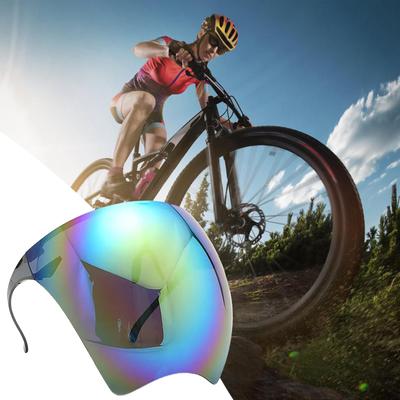
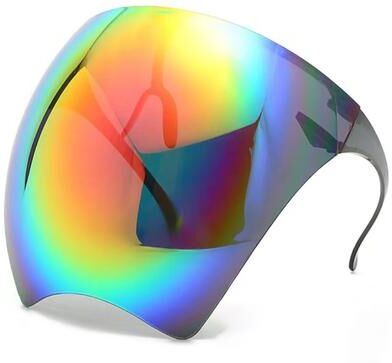
DynamicDeals Windproof Cycling Goggles Mask For Full Face Motorcycle & Mountain Biking redRide with confidence and protect your eyes in any condition with our windproof cycling goggles. Designed for outdoor enthusiasts, these fullface goggles shield you from wind, dust, and debris while delivering clear, uninterrupted vision. Perfect for...34,97 $*Shipping: 0,00 $Secure redirect to the provider




-
Is Nicomachean Ethics the same as Virtue Ethics?
Nicomachean Ethics is a specific work by Aristotle that is considered one of the foundational texts in virtue ethics. While Nicomachean Ethics is a key text within the broader framework of virtue ethics, virtue ethics itself is a broader ethical theory that encompasses various other works and perspectives beyond just Aristotle's. So, while Nicomachean Ethics is a significant part of virtue ethics, they are not exactly the same thing. **
-
Does Kant's deontological ethics contradict Aristotle's eudaemonistic ethics?
Kant's deontological ethics and Aristotle's eudaemonistic ethics have some fundamental differences, but they do not necessarily contradict each other. Kant's ethics focus on duty and the intention behind actions, while Aristotle's ethics emphasize achieving eudaimonia, or human flourishing, through virtuous actions. While Kant's emphasis on duty can sometimes conflict with Aristotle's emphasis on virtue, both ethical theories ultimately aim to guide individuals towards leading a good and moral life. Therefore, while they may approach ethics from different perspectives, they can be seen as complementary rather than contradictory. **
-
Is responsibility ethics the same as future ethics?
Responsibility ethics and future ethics are related but not the same. Responsibility ethics focuses on the moral obligations and duties that individuals and organizations have in the present moment, while future ethics considers the ethical implications of our actions on future generations and the long-term consequences of our choices. While responsibility ethics emphasizes the immediate impact of our actions, future ethics considers the broader and long-term effects of our decisions on the well-being of future generations and the sustainability of the planet. Both are important aspects of ethical decision-making, but they address different time frames and perspectives. **
-
Does ethics still exist nowadays? Is ethics a problem?
Ethics still exist nowadays as a set of moral principles that guide human behavior and decision-making. However, there are instances where ethical considerations are overlooked or compromised in favor of personal gain or convenience, making ethics a problem in society. It is important for individuals and organizations to prioritize ethical behavior to maintain trust, integrity, and social responsibility. Efforts to promote ethical conduct through education, awareness, and accountability can help address ethical challenges in today's world. **

What is ethics?
Ethics is a branch of philosophy that deals with moral principles and values that govern individual behavior and decision-making. It involves distinguishing between right and wrong actions, as well as understanding the consequences of those actions on individuals and society as a whole. Ethics provides a framework for individuals to make ethical choices and behave in a morally responsible manner. It also helps in creating a sense of accountability and integrity in personal and professional relationships. **
What is the difference in calorie expenditure between road cycling and mountain biking?
The calorie expenditure for road cycling and mountain biking can vary based on factors such as intensity, terrain, and duration. Generally, road cycling on flat terrain at a moderate pace can burn around 400-600 calories per hour, while mountain biking on varied terrain with hills and obstacles can burn around 500-800 calories per hour. The higher calorie expenditure in mountain biking is due to the increased effort required to navigate the challenging terrain and obstacles. Overall, mountain biking tends to result in a higher calorie expenditure compared to road cycling. **
Top-Angebote
Products related to Ethics:
-
DynamicDeals Windproof Cycling Goggles Mask For Full Face Motorcycle & Mountain Biking greenRide with confidence and protect your eyes in any condition with our windproof cycling goggles. Designed for outdoor enthusiasts, these fullface goggles shield you from wind, dust, and debris while delivering clear, uninterrupted vision. Perfect for...34,97 $*Shipping: 0,00 $Secure redirect to the provider
-
Perfect Picks Market StormShield Cycling Face Mask With Anti Fog Goggles For Motorcycle Riding & Mountain Biking redTake on every ride with confidence, no matter the weather. This windproof motorcycle mask is designed for cyclists, bikers, and outdoor adventurers who want fullface protection without sacrificing comfort or visibility. Featuring integrated antifog...31,97 $*Shipping: 0,00 $Secure redirect to the provider
-
Uplifted Goods Reusable 33 Oz Cycling Water Bottle For Outdoor Sports And Biking pinkStay refreshed on every ride with this reusable 33 oz cycling water bottle designed for outdoor sports and everyday cycling. Made from BPAfree material, this squeeze bottle provides easy and quick access to hydration while youre on the go. Its...34,97 $*Shipping: 0,00 $Secure redirect to the provider
-
Quick Pick Pro WEST BIKING Winter Fleece Cycling Scarf Windproof Bike Face Mask Neck Warmer Balaclava WEST BIKING Winter Fleece Cycling Scarf Windproof Bike Face Mask Neck Warmer BalaclavaCold weather shouldnt slow your ride or outdoor routine. This allinone winter cycling face mask is designed to protect you from biting wind, dust, and freezing temperatures while keeping you comfortable on the move. Built for riders, runners, and...32,97 $*Shipping: 0,00 $Secure redirect to the provider
-
Can you explain virtue ethics, duty ethics, and goods ethics?
Virtue ethics focuses on the character of the individual and emphasizes the development of virtuous traits such as honesty, courage, and compassion. It is concerned with cultivating moral excellence and living a good life. Duty ethics, also known as deontological ethics, is based on the idea that certain actions are inherently right or wrong, regardless of their consequences. It emphasizes the importance of following moral rules and fulfilling one's duties and obligations. Goods ethics, or consequentialism, evaluates the morality of an action based on its outcomes or consequences. It focuses on maximizing the overall good or happiness and considers the potential impact of an action on others. **
-
Is Buddhist ethics comparable to Christian ethics?
Buddhist ethics and Christian ethics share some similarities, such as the emphasis on compassion, love, and non-violence. Both traditions also promote the idea of treating others with kindness and respect. However, there are also significant differences between the two, such as the concept of sin and salvation in Christianity, which is not present in Buddhism. Additionally, the role of divine authority and the concept of God differs between the two traditions. Overall, while there are some common ethical principles, the underlying beliefs and foundations of Buddhist and Christian ethics are distinct. **
-
Is Nicomachean Ethics the same as Virtue Ethics?
Nicomachean Ethics is a specific work by Aristotle that is considered one of the foundational texts in virtue ethics. While Nicomachean Ethics is a key text within the broader framework of virtue ethics, virtue ethics itself is a broader ethical theory that encompasses various other works and perspectives beyond just Aristotle's. So, while Nicomachean Ethics is a significant part of virtue ethics, they are not exactly the same thing. **
-
Does Kant's deontological ethics contradict Aristotle's eudaemonistic ethics?
Kant's deontological ethics and Aristotle's eudaemonistic ethics have some fundamental differences, but they do not necessarily contradict each other. Kant's ethics focus on duty and the intention behind actions, while Aristotle's ethics emphasize achieving eudaimonia, or human flourishing, through virtuous actions. While Kant's emphasis on duty can sometimes conflict with Aristotle's emphasis on virtue, both ethical theories ultimately aim to guide individuals towards leading a good and moral life. Therefore, while they may approach ethics from different perspectives, they can be seen as complementary rather than contradictory. **
Similar search terms for Ethics
-
DynamicDeals Windproof Cycling Goggles Mask For Full Face Motorcycle & Mountain Biking redRide with confidence and protect your eyes in any condition with our windproof cycling goggles. Designed for outdoor enthusiasts, these fullface goggles shield you from wind, dust, and debris while delivering clear, uninterrupted vision. Perfect for...34,97 $*Shipping: 0,00 $Secure redirect to the provider
-
Perfect Picks Market StormShield Cycling Face Mask With Anti Fog Goggles For Motorcycle Riding & Mountain Biking greenTake on every ride with confidence, no matter the weather. This windproof motorcycle mask is designed for cyclists, bikers, and outdoor adventurers who want fullface protection without sacrificing comfort or visibility. Featuring integrated antifog...31,97 $*Shipping: 0,00 $Secure redirect to the provider
-
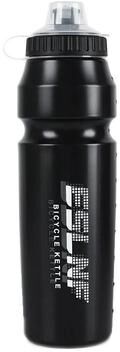
Uplifted Goods Reusable 33 Oz Cycling Water Bottle For Outdoor Sports And Biking blackStay refreshed on every ride with this reusable 33 oz cycling water bottle designed for outdoor sports and everyday cycling. Made from BPAfree material, this squeeze bottle provides easy and quick access to hydration while youre on the go. Its...34,97 $*Shipping: 0,00 $Secure redirect to the provider
-
Is responsibility ethics the same as future ethics?
Responsibility ethics and future ethics are related but not the same. Responsibility ethics focuses on the moral obligations and duties that individuals and organizations have in the present moment, while future ethics considers the ethical implications of our actions on future generations and the long-term consequences of our choices. While responsibility ethics emphasizes the immediate impact of our actions, future ethics considers the broader and long-term effects of our decisions on the well-being of future generations and the sustainability of the planet. Both are important aspects of ethical decision-making, but they address different time frames and perspectives. **
-
Does ethics still exist nowadays? Is ethics a problem?
Ethics still exist nowadays as a set of moral principles that guide human behavior and decision-making. However, there are instances where ethical considerations are overlooked or compromised in favor of personal gain or convenience, making ethics a problem in society. It is important for individuals and organizations to prioritize ethical behavior to maintain trust, integrity, and social responsibility. Efforts to promote ethical conduct through education, awareness, and accountability can help address ethical challenges in today's world. **
-
What is ethics?
Ethics is a branch of philosophy that deals with moral principles and values that govern individual behavior and decision-making. It involves distinguishing between right and wrong actions, as well as understanding the consequences of those actions on individuals and society as a whole. Ethics provides a framework for individuals to make ethical choices and behave in a morally responsible manner. It also helps in creating a sense of accountability and integrity in personal and professional relationships. **
-
What is the difference in calorie expenditure between road cycling and mountain biking?
The calorie expenditure for road cycling and mountain biking can vary based on factors such as intensity, terrain, and duration. Generally, road cycling on flat terrain at a moderate pace can burn around 400-600 calories per hour, while mountain biking on varied terrain with hills and obstacles can burn around 500-800 calories per hour. The higher calorie expenditure in mountain biking is due to the increased effort required to navigate the challenging terrain and obstacles. Overall, mountain biking tends to result in a higher calorie expenditure compared to road cycling. **
* All prices are inclusive of VAT and, if applicable, plus shipping costs. The offer information is based on the details provided by the respective shop and is updated through automated processes. Real-time updates do not occur, so deviations can occur in individual cases. ** Note: Parts of this content were created by AI.