Buy mtba.eu ?
We are moving the project
mtba.eu .
Are you interested in purchasing the domain
mtba.eu ?
domain@kv-gmbh.de · 0541-91531010
Buy mtba.eu ?
What are relative clauses and conjunctional clauses?
Relative clauses are clauses that provide additional information about a noun in the main clause. They are introduced by relative pronouns such as "who," "which," "that," and "whom." For example, in the sentence "The book that I read is very interesting," the relative clause "that I read" provides more information about the noun "book." Conjunctional clauses, on the other hand, are clauses that are connected to the main clause by conjunctions such as "and," "but," "or," "if," and "because." They can express relationships such as addition, contrast, alternative, condition, and cause. For example, in the sentence "I will go to the park if the weather is nice," the conjunctional clause "if the weather is nice" expresses a condition for the action in the main clause. **
What are conjunctional clauses, relative clauses, demonstrative clauses, and infinitive clauses?
Conjunctional clauses are dependent clauses that are introduced by a conjunction, such as "because," "although," or "while." They provide additional information about the main clause in a sentence. Relative clauses are also dependent clauses that provide more information about a noun in the main clause. They are introduced by relative pronouns like "who," "which," or "that." Demonstrative clauses are dependent clauses that function as adjectives and provide more information about a noun in the main clause. They are introduced by demonstrative pronouns like "this," "that," "these," or "those." Infinitive clauses are dependent clauses that are formed with an infinitive verb (to + base form of the verb). They can function as nouns, adjectives, or adverbs in a sentence. **
Similar search terms for Conjunctional
Top-Angebote
Products related to Conjunctional:
-
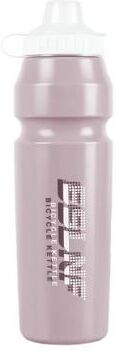
Uplifted Goods Reusable 33 Oz Cycling Water Bottle For Outdoor Sports And Biking pinkStay refreshed on every ride with this reusable 33 oz cycling water bottle designed for outdoor sports and everyday cycling. Made from BPAfree material, this squeeze bottle provides easy and quick access to hydration while youre on the go. Its...34,97 $*Shipping: 0,00 $Secure redirect to the provider
-
Quick Pick Pro WEST BIKING Winter Fleece Cycling Scarf Windproof Bike Face Mask Neck Warmer Balaclava WEST BIKING Winter Fleece Cycling Scarf Windproof Bike Face Mask Neck Warmer BalaclavaCold weather shouldnt slow your ride or outdoor routine. This allinone winter cycling face mask is designed to protect you from biting wind, dust, and freezing temperatures while keeping you comfortable on the move. Built for riders, runners, and...32,97 $*Shipping: 0,00 $Secure redirect to the provider
-
Domani Trails Morroccan Blues Trellis Indoor / Outdoor RugBrighten up your outdoor space with our Domani Trails collection. This collection is hand-hooked in China of UV-treated polypropelene. These rugs are woven with rich colors and trendy designs.55,49 $*Shipping: 0,00 $Secure redirect to the provider


-
What is the difference between a conjunctional clause and an adverbial clause?
A conjunctional clause is a type of dependent clause that begins with a subordinating conjunction, such as "because," "although," or "while." It functions to connect the dependent clause to the independent clause and provide additional information about the main clause. An adverbial clause, on the other hand, is a type of dependent clause that functions as an adverb in the sentence, providing information about the time, place, manner, or condition of the action in the main clause. While both types of clauses are dependent and provide additional information, the key difference is that a conjunctional clause connects the dependent clause to the main clause, while an adverbial clause functions as an adverb in the sentence. **
-
What is the difference between a relative clause and a conjunctional clause?
A relative clause is a type of subordinate clause that provides additional information about a noun in the main clause. It typically begins with a relative pronoun such as "who," "which," or "that." A conjunctional clause, on the other hand, is a type of subordinate clause that functions as an adverb, connecting two independent clauses. It typically begins with a subordinating conjunction such as "because," "although," or "while." In summary, the main difference between the two is that a relative clause provides additional information about a noun, while a conjunctional clause connects two independent clauses. **
-
What is the difference in calorie expenditure between road cycling and mountain biking?
The calorie expenditure for road cycling and mountain biking can vary based on factors such as intensity, terrain, and duration. Generally, road cycling on flat terrain at a moderate pace can burn around 400-600 calories per hour, while mountain biking on varied terrain with hills and obstacles can burn around 500-800 calories per hour. The higher calorie expenditure in mountain biking is due to the increased effort required to navigate the challenging terrain and obstacles. Overall, mountain biking tends to result in a higher calorie expenditure compared to road cycling. **
-
Should I stop mountain biking?
Whether or not you should stop mountain biking depends on your personal circumstances and reasons for considering stopping. If you are experiencing physical pain or injury from mountain biking, it may be wise to take a break and seek medical advice. If you are feeling burnt out or no longer enjoying the activity, it may be beneficial to explore other forms of exercise or outdoor activities. Ultimately, the decision to stop mountain biking should be based on your own well-being and enjoyment. **


How do I recognize a relative clause, a conjunctional clause, and an interrogative clause?
A relative clause typically starts with a relative pronoun (such as who, whom, whose, which, or that) and provides more information about a noun in the main clause. A conjunctional clause, on the other hand, is introduced by a conjunction (such as and, but, or because) and connects two independent clauses. An interrogative clause is a type of clause that asks a question and is typically introduced by an interrogative pronoun (such as who, what, when, where, why, or how) or an interrogative adverb (such as how, when, or where). **
How can I recognize a relative clause, a conjunctional clause, and an interrogative clause?
A relative clause is a type of dependent clause that typically starts with a relative pronoun (such as who, whom, whose, which, or that) and provides additional information about a noun in the main clause. A conjunctional clause, on the other hand, is a dependent clause that functions as an adverb, adjective, or noun in a sentence and is connected to the main clause by a conjunction (such as because, although, if, when, etc.). An interrogative clause is a type of clause that asks a question and typically begins with a question word (such as who, what, where, when, why, or how) or with a helping verb followed by the subject. **
Top-Angebote
Products related to Conjunctional:
-
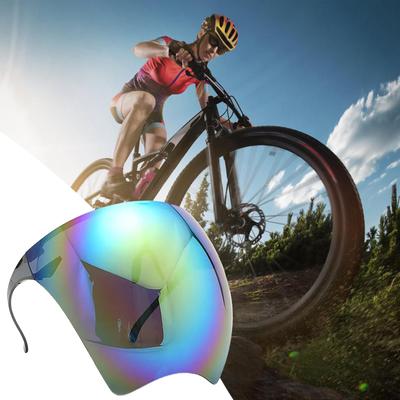
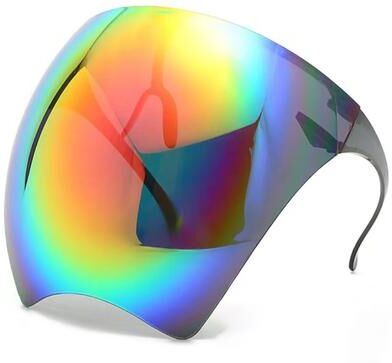
DynamicDeals Windproof Cycling Goggles Mask For Full Face Motorcycle & Mountain Biking greenRide with confidence and protect your eyes in any condition with our windproof cycling goggles. Designed for outdoor enthusiasts, these fullface goggles shield you from wind, dust, and debris while delivering clear, uninterrupted vision. Perfect for...34,97 $*Shipping: 0,00 $Secure redirect to the provider
-
Perfect Picks Market StormShield Cycling Face Mask With Anti Fog Goggles For Motorcycle Riding & Mountain Biking redTake on every ride with confidence, no matter the weather. This windproof motorcycle mask is designed for cyclists, bikers, and outdoor adventurers who want fullface protection without sacrificing comfort or visibility. Featuring integrated antifog...31,97 $*Shipping: 0,00 $Secure redirect to the provider
-
Uplifted Goods Reusable 33 Oz Cycling Water Bottle For Outdoor Sports And Biking pinkStay refreshed on every ride with this reusable 33 oz cycling water bottle designed for outdoor sports and everyday cycling. Made from BPAfree material, this squeeze bottle provides easy and quick access to hydration while youre on the go. Its...34,97 $*Shipping: 0,00 $Secure redirect to the provider
-
Quick Pick Pro WEST BIKING Winter Fleece Cycling Scarf Windproof Bike Face Mask Neck Warmer Balaclava WEST BIKING Winter Fleece Cycling Scarf Windproof Bike Face Mask Neck Warmer BalaclavaCold weather shouldnt slow your ride or outdoor routine. This allinone winter cycling face mask is designed to protect you from biting wind, dust, and freezing temperatures while keeping you comfortable on the move. Built for riders, runners, and...32,97 $*Shipping: 0,00 $Secure redirect to the provider
-
What are relative clauses and conjunctional clauses?
Relative clauses are clauses that provide additional information about a noun in the main clause. They are introduced by relative pronouns such as "who," "which," "that," and "whom." For example, in the sentence "The book that I read is very interesting," the relative clause "that I read" provides more information about the noun "book." Conjunctional clauses, on the other hand, are clauses that are connected to the main clause by conjunctions such as "and," "but," "or," "if," and "because." They can express relationships such as addition, contrast, alternative, condition, and cause. For example, in the sentence "I will go to the park if the weather is nice," the conjunctional clause "if the weather is nice" expresses a condition for the action in the main clause. **
-
What are conjunctional clauses, relative clauses, demonstrative clauses, and infinitive clauses?
Conjunctional clauses are dependent clauses that are introduced by a conjunction, such as "because," "although," or "while." They provide additional information about the main clause in a sentence. Relative clauses are also dependent clauses that provide more information about a noun in the main clause. They are introduced by relative pronouns like "who," "which," or "that." Demonstrative clauses are dependent clauses that function as adjectives and provide more information about a noun in the main clause. They are introduced by demonstrative pronouns like "this," "that," "these," or "those." Infinitive clauses are dependent clauses that are formed with an infinitive verb (to + base form of the verb). They can function as nouns, adjectives, or adverbs in a sentence. **
-
What is the difference between a conjunctional clause and an adverbial clause?
A conjunctional clause is a type of dependent clause that begins with a subordinating conjunction, such as "because," "although," or "while." It functions to connect the dependent clause to the independent clause and provide additional information about the main clause. An adverbial clause, on the other hand, is a type of dependent clause that functions as an adverb in the sentence, providing information about the time, place, manner, or condition of the action in the main clause. While both types of clauses are dependent and provide additional information, the key difference is that a conjunctional clause connects the dependent clause to the main clause, while an adverbial clause functions as an adverb in the sentence. **
-
What is the difference between a relative clause and a conjunctional clause?
A relative clause is a type of subordinate clause that provides additional information about a noun in the main clause. It typically begins with a relative pronoun such as "who," "which," or "that." A conjunctional clause, on the other hand, is a type of subordinate clause that functions as an adverb, connecting two independent clauses. It typically begins with a subordinating conjunction such as "because," "although," or "while." In summary, the main difference between the two is that a relative clause provides additional information about a noun, while a conjunctional clause connects two independent clauses. **
Similar search terms for Conjunctional
-
Domani Trails Morroccan Blues Trellis Indoor / Outdoor RugBrighten up your outdoor space with our Domani Trails collection. This collection is hand-hooked in China of UV-treated polypropelene. These rugs are woven with rich colors and trendy designs.55,49 $*Shipping: 0,00 $Secure redirect to the provider
-
DynamicDeals Windproof Cycling Goggles Mask For Full Face Motorcycle & Mountain Biking redRide with confidence and protect your eyes in any condition with our windproof cycling goggles. Designed for outdoor enthusiasts, these fullface goggles shield you from wind, dust, and debris while delivering clear, uninterrupted vision. Perfect for...34,97 $*Shipping: 0,00 $Secure redirect to the provider
-
Perfect Picks Market StormShield Cycling Face Mask With Anti Fog Goggles For Motorcycle Riding & Mountain Biking greenTake on every ride with confidence, no matter the weather. This windproof motorcycle mask is designed for cyclists, bikers, and outdoor adventurers who want fullface protection without sacrificing comfort or visibility. Featuring integrated antifog...31,97 $*Shipping: 0,00 $Secure redirect to the provider
-
What is the difference in calorie expenditure between road cycling and mountain biking?
The calorie expenditure for road cycling and mountain biking can vary based on factors such as intensity, terrain, and duration. Generally, road cycling on flat terrain at a moderate pace can burn around 400-600 calories per hour, while mountain biking on varied terrain with hills and obstacles can burn around 500-800 calories per hour. The higher calorie expenditure in mountain biking is due to the increased effort required to navigate the challenging terrain and obstacles. Overall, mountain biking tends to result in a higher calorie expenditure compared to road cycling. **
-
Should I stop mountain biking?
Whether or not you should stop mountain biking depends on your personal circumstances and reasons for considering stopping. If you are experiencing physical pain or injury from mountain biking, it may be wise to take a break and seek medical advice. If you are feeling burnt out or no longer enjoying the activity, it may be beneficial to explore other forms of exercise or outdoor activities. Ultimately, the decision to stop mountain biking should be based on your own well-being and enjoyment. **
-
How do I recognize a relative clause, a conjunctional clause, and an interrogative clause?
A relative clause typically starts with a relative pronoun (such as who, whom, whose, which, or that) and provides more information about a noun in the main clause. A conjunctional clause, on the other hand, is introduced by a conjunction (such as and, but, or because) and connects two independent clauses. An interrogative clause is a type of clause that asks a question and is typically introduced by an interrogative pronoun (such as who, what, when, where, why, or how) or an interrogative adverb (such as how, when, or where). **
-
How can I recognize a relative clause, a conjunctional clause, and an interrogative clause?
A relative clause is a type of dependent clause that typically starts with a relative pronoun (such as who, whom, whose, which, or that) and provides additional information about a noun in the main clause. A conjunctional clause, on the other hand, is a dependent clause that functions as an adverb, adjective, or noun in a sentence and is connected to the main clause by a conjunction (such as because, although, if, when, etc.). An interrogative clause is a type of clause that asks a question and typically begins with a question word (such as who, what, where, when, why, or how) or with a helping verb followed by the subject. **
* All prices are inclusive of VAT and, if applicable, plus shipping costs. The offer information is based on the details provided by the respective shop and is updated through automated processes. Real-time updates do not occur, so deviations can occur in individual cases. ** Note: Parts of this content were created by AI.